When the first proper cold snap reaches Ashford, it rarely announces itself. One evening the roads are merely damp; the next morning the windscreen needs ten minutes of scraping and the boiler is making a noise you have never heard before.
Most winter problems are not dramatic. They are small, predictable failures — a frozen pipe in the loft, a torch with dead batteries, a car that will not start on a hill in Willesborough — and nearly all of them are easier to prevent than to fix in the dark. Here is a checklist you can work through over a couple of weekends rather than in a panic on the night the forecast turns amber.
Heating: the checks worth doing before you need them
Get the boiler serviced in autumn, not in January when every engineer in Kent is booked solid. Use a Gas Safe registered engineer for anything involving gas, and keep the service record — it matters if you ever need to claim on insurance.
While the heating is running, walk the house and check a few things:
- Bleed radiators that are warm at the bottom and cold at the top. Trapped air makes the boiler work harder for less heat.
- Test smoke and carbon monoxide alarms, and replace the batteries even if the alarm still chirps.
- Keep curtains, furniture and drying laundry away from radiators, heaters and open fires.
- Check that flues, vents and air bricks are clear. Snow and nesting material can block them, and a blocked flue is how carbon monoxide gets into a house.
Portable heaters deserve respect. Keep them at least a metre from anything that can burn, never use them to dry clothes, and never bring a camping stove, barbecue or generator indoors — that includes an attached garage or a conservatory. Carbon monoxide is invisible and has no smell.
If you smell gas, do not touch light switches or plug anything in. Open windows and doors, leave the building, and call the National Gas Emergency Service on 0800 111 999 from outside.
Households off the gas grid have an extra job: check oil and LPG levels before the worst of the weather, and keep the path to the tank clear so a delivery can actually reach it.
Emergency supplies: aim for three days, not three weeks
A three-day box covers almost every storm scenario in this part of the country. Store it somewhere you can reach without a torch, and check it twice a year.
- Drinking water — a couple of litres per person per day, plus enough for basic washing and for pets.
- Food that needs no cooking: tinned soup, beans, crackers, cereal bars, long-life milk.
- A torch for every person, plus spare batteries. Phone torches flatten fast when you need them most.
- A battery or wind-up radio. When the mobile network is congested, radio still works.
- Charged power banks, kept charged.
- A first aid kit and at least a week of any prescription medicine.
- Warm layers, blankets and sleeping bags within easy reach, not in the loft.
- A paper list of useful numbers: utility providers, insurer, neighbours, family.
- Some cash in small notes. Card readers and cash machines both rely on power.
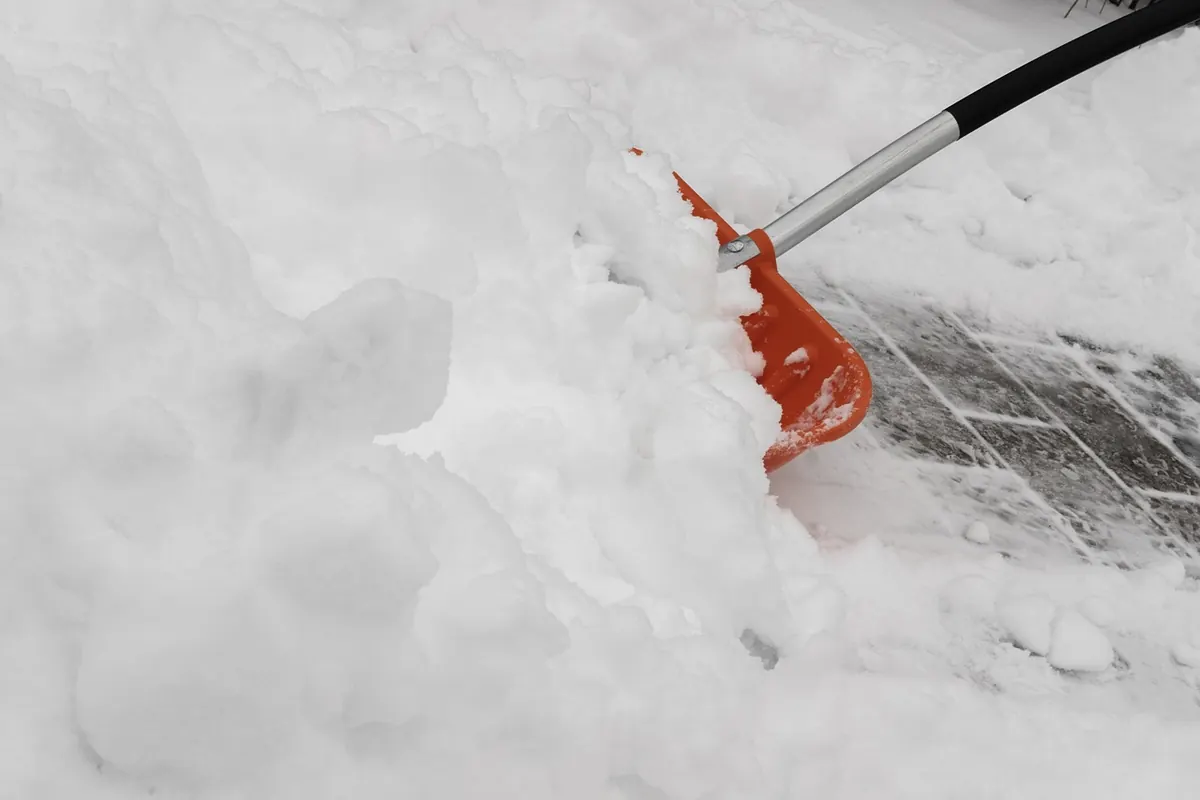
- Rock salt or grit for the path, and a shovel you can actually lift.
If you have a baby, a pet, or a relative who depends on mains-powered medical equipment, their needs go on the list first. Anyone whose health depends on electricity at home should ask their supplier about the free priority services register — it moves you up the queue when cables come down.
The car kit — and the habits that matter more
The M20 and the A20 both have a habit of grinding to a halt in bad weather, and when the motorway closes for snow or cross-Channel traffic, the pressure spills onto the roads around Ashford. A journey that normally takes fifteen minutes can take an hour.
Keep the following in the boot through winter:
- Ice scraper and de-icer, plus a spare scraper that lives in the house.
- Blanket, gloves, hat and waterproof boots.
- Torch, hi-vis vest, power bank and a charging cable.
- A bottle of water and something to eat that survives a freeze.
- Small shovel, and jump leads or a jump pack.
- Screen wash mixed for winter, plus a check on tyre tread and pressures.
Clear the whole windscreen, all the windows and the lights, not a porthole in the frost. Allow far more room to brake, and pull away in second gear on snow to cut wheelspin. If you do get stuck, clear the exhaust pipe of snow before running the engine for warmth; a blocked exhaust can push fumes back into the car.
Check the route before you leave, take a charged phone, and tell someone where you are going and when you expect to arrive. If you are debating whether conditions are bad enough to cancel, the answer is usually to stay home.
Where Ashford's storm warnings actually come from
One reliable source beats five panicky ones. Bookmark these and check them once in the morning and once in the evening, rather than refreshing all day.
- Met Office weather warnings, including email alerts for the South East. Yellow means be aware, amber means be ready to change plans, red means stay put.
- Environment Agency flood warnings for the Great Stour and East Stour, and for the smaller brooks running through the villages. Signing up for free flood alerts by phone takes a few minutes.
- Kent County Council for gritting routes, road closures and school closures.
- UK Power Networks for power cuts — and the free national power cut number, 105.
- Your parish council, village hall and neighbours. In the villages around Ashford, word of mouth is often faster than any app.
A half-hour walk-round before the storm
Most storm damage happens to things that were already loose. Clear gutters and drains so meltwater has somewhere to go, and tie down or store bins, garden furniture, trampolines and anything else the wind can lift.
Lag exposed pipes in the loft, garage and outbuildings, and find your stopcock now — then check that it actually turns. Drain outside taps. If a tree overhangs your house or a power line, leave the cutting to a qualified tree surgeon; that is not a job for a ladder in a gale.
Finally, swap phone numbers with the neighbours on both sides. A two-minute conversation in October is worth a great deal at eleven o'clock on a February night when the power is off.
If the power goes, or the roads close
Stay put unless you genuinely have to travel. Keep one room warm and close the doors to the rest, open the freezer as little as possible, and report the outage on 105. Check on older neighbours, anyone living alone, and anyone with young children.
For anything involving gas, mains electricity or structural damage, call a professional — a Gas Safe registered engineer or a qualified electrician — and speak to your insurer before you start clearing up. For medical concerns, or decisions about a vulnerable relative, ask a doctor or pharmacist rather than a forum thread.
Winter here is rarely as bad as the forecasts suggest. But an afternoon spent on the boiler, the box in the cupboard and the boot of the car means that when it is, you can watch it through the window with a cup of tea.
Photo: Bru-nO / Pixabay