Your first stall at Ashford Farmers Market begins long before you lift a gazebo out of the car. It begins with a form you have not sent yet, a certificate you have not printed, and a quiet worry about whether anyone will buy anything at all.
Most first-time vendors turn up with lovely produce and no change for a twenty. The ones who look relaxed on the day usually did one thing differently: they talked to the organiser early, made a list, and packed by category instead of by pile. Here is what that list should hold.
Sort the paperwork before you buy a gazebo
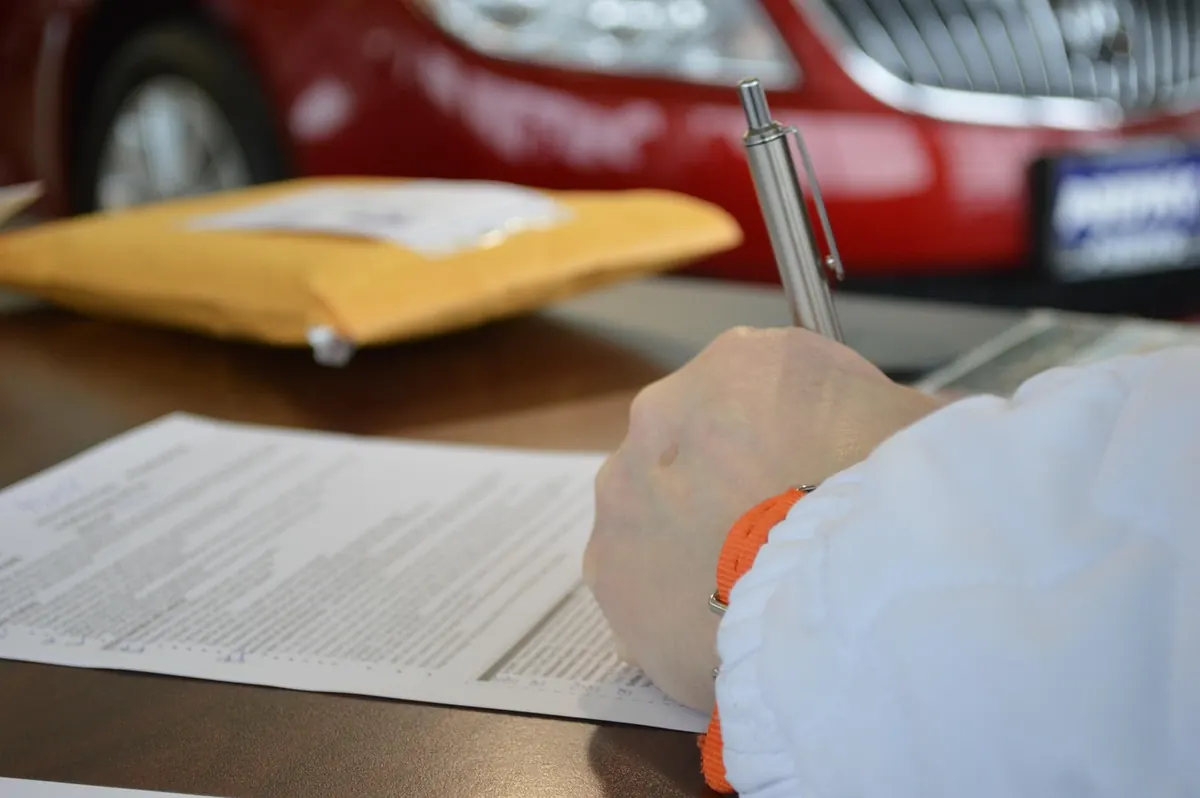
Start with the market, not with the equipment. Every market runs its own stallholder agreement, arrival times and insurance requirements, and Ashford Farmers Market will have its own version. Ask for the stallholder pack and read it properly. It will tell you your pitch size, whether power is available, when you can drive on site, and how the site has to be left at the end of trading.
Then work through the legal side. If you sell food or drink, the business must be registered with the local authority — for Ashford, that is Ashford Borough Council. Registration is free and should be completed at least 28 days before you start trading. If you are preparing food at home, expect your kitchen to be inspected at some point; the standards that apply to a commercial kitchen apply to yours on the days you trade.
Public liability insurance is normally required by the market itself. Ask what level of cover the organiser expects and keep a certificate you can produce on the day. Food hygiene training — a level 2 certificate is the common starting point — is often requested, and it will also make you calmer about the things you are handling.
Some products carry extra rules. Alcohol needs a licence. Selling meat, dairy, eggs, or anything you have bottled or preserved brings its own requirements. These are not things to guess at, and the rules do change. Check with the council and the market organiser, and take professional advice if anything is unclear. A short conversation now costs far less than a wasted Saturday.
Keep one stall folder
Put everything in a single plastic wallet that lives in your market bag: insurance certificate, food registration confirmation, hygiene certificate, allergen information, the stallholder agreement and the organiser's phone number. Photograph each page and keep the images on your phone as backup. You will need the folder roughly never, and the one time you do, you will be extremely glad it exists.
Build a stall that survives wind and rain
Outdoor markets test your display before any customer does.
Weight your gazebo properly. Sandbags or water weights on every leg, not only the ones facing the wind, and never rely on pegs alone. If the forecast is rough, take the sides off rather than watching the whole thing lift.
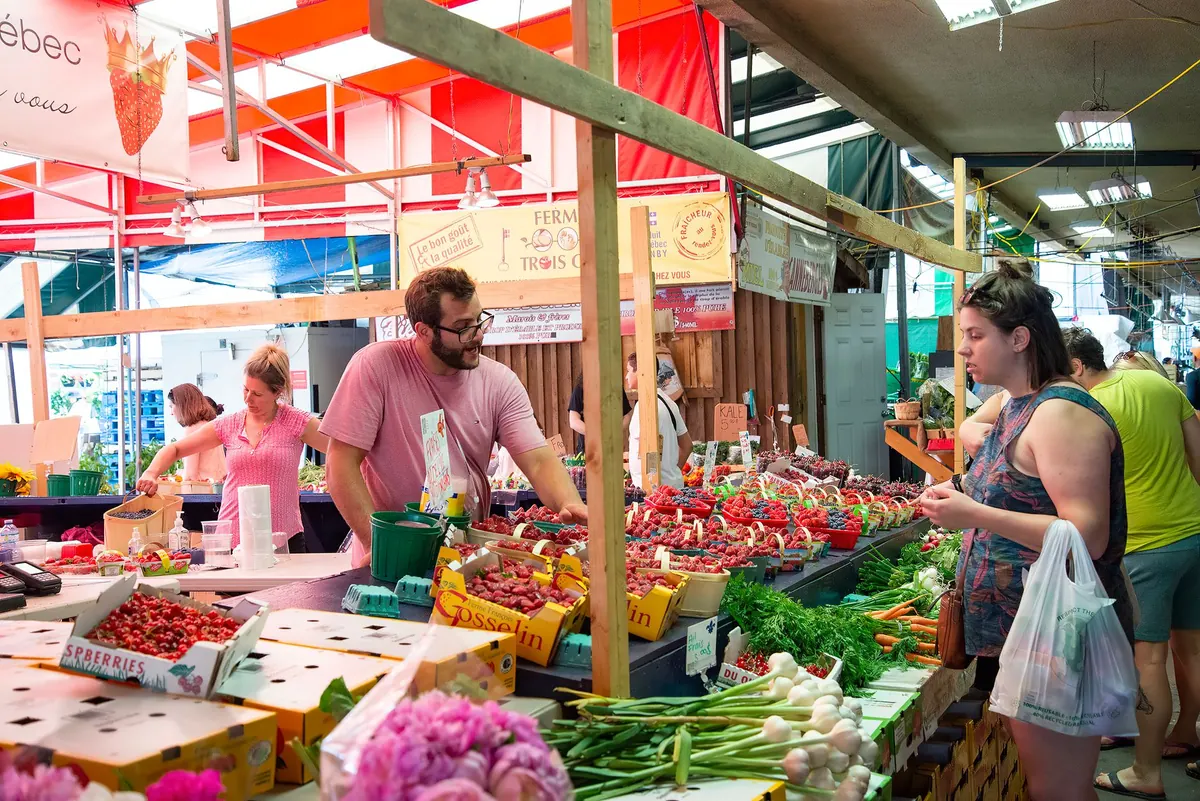
Think vertically. A flat table of identical items is hard to read from three metres away. Use crates and boxes to build height at the back, keep the front low, and leave small gaps so the eye can rest. A cloth that reaches the floor looks tidy and gives you somewhere to hide spare stock.
Price everything clearly, on card, facing the customer rather than you. Round prices to whole pounds where you can; it speeds up the maths and keeps the queue moving. Finally, stand in front of your table rather than behind it. Sitting behind a wall of produce makes a stall look closed.
A layout that works
- Signage at the back at eye level: who you are and what you sell.
- Tall or bulky items at the back, smaller ones at the front.
- A price card beside every single product.
- Card reader, cash tin and bags grouped at one end, clear of the display.
- Storage crates underneath, out of sight.
Payment tools that still work at eight in the morning
Test your card reader on the market site before your first trading day. Mobile signal shifts from pitch to pitch and drops when a crowd gathers. Most readers have an offline mode — switch it on and know how to use it. Bring a power bank and a charging cable, because a reader that dies at eleven ends your morning.
Decide your float in advance and keep it separate from takings. Small notes, plenty of coins, and a lockable tin that is never left visible. A bumbag is fine; the point is that cash is not sitting in the open.
Record what you sell. A notebook with two columns, product and amount, takes seconds per sale and tells you exactly what to bring next week. If your turnover grows, talk to an accountant about tax and registration thresholds instead of trying to work it out from a forum thread.
Food safety and storage, hot day or cold
Cold food lives in a cool box with ice packs and stays there until it is sold or served. Keep everything out of direct sun and check temperatures through the day if you are handling anything that spoils.
Hand hygiene is the part customers notice. Bring sanitiser, a covered bin and tongs for anything loose, and actually use them. Gloves are not a substitute for washing your hands.
Allergen information needs to be available for the food you sell, and the simplest method is a printed sheet listing each product and its allergens, kept where you can find it quickly. If you are unsure what applies to what you make, ask the environmental health team at the council before you trade rather than afterwards.
Market-day essentials: the kit list
- Gazebo, weights for every leg, spare pegs and bungees
- Table, tablecloth, two chairs
- Price cards, black marker, blank labels and stickers
- Card reader, power bank, charging cable, phone
- Cash float, lockable tin, notebook and pen
- Carrier bags or paper bags, tissues, rubber bands
- Cool boxes, ice packs, covered containers, tongs
- Hand sanitiser, wipes, blue plasters, small first aid kit
- Aprons, gloves, hair ties
- Bin bags, and a bin for your own waste
- Water bottle, snacks, layers, waterproofs, sun cream, hat
- Duct tape, cable ties, scissors, a spare tarpaulin
- Business cards and a mailing list sign-up sheet
- Printed copies of your insurance and registration documents
The night before and the first hour
Pack in reverse order of use: the first thing you need on site should be nearest the van doors. Most vendors load the gazebo last and then discover it is buried behind four crates of jam.
Arrive early enough to set up without rushing. Park as instructed, get the frame up and weighted, then dress the table. Run one test transaction on your card reader before anyone is waiting. Know your prices without checking. Say good morning to people who slow down — a stall where the vendor is looking at them sells more than one where the vendor is looking at a phone.
Keep the first market small
Bring less stock than you think you need, and one or two product lines rather than a full range. It is far better to sell out and take orders than to pack half of it back into the car.
At the end of the day, write down three things: what sold out, what nobody asked about, and one thing you would change about the stall. Talk to the trader next to you — they have watched dozens of first markets and will happily tell you what they wish they had known. Then put the folder back in the bag, ready for next week. The second market is easier than the first, and by the fifth you will have a list of your own that beats any generic one.
Photo: @coldbeer / Pexels