Summer in Ashford means long evenings, grass-stained knees and a car that smells faintly of cleats. It also means registration season, which tends to arrive earlier than most parents expect. If you are signing a child up for the first time, the process is manageable — but it rewards a little planning.
What follows is the sequence most local programs follow: choosing the right league, watching for the sign-up window, pulling together paperwork, understanding the fees, and knowing what the first practice will actually look like.
Start With the Right Program
Ashford's summer offerings usually span a handful of sports — soccer, T-ball and coach-pitch baseball, softball, basketball clinics, swim sessions, and sometimes track or multi-sport camps. They are run by different organizations, which means different registration systems, different deadlines and different rules. Do not assume one sign-up covers everything.
Check the age cutoff carefully
Most leagues sort children by a fixed cutoff date on the calendar rather than by school grade. That means two classmates born a few weeks apart can land in different divisions. Verify which date applies before you register, because moving a child up or down a division after the fact usually requires a request to the league board.
Know what you are committing to
Recreational leagues typically practice once or twice a week with games on weekends. Travel or select teams demand more: tryouts in late winter or early spring, higher fees, and tournament weekends that eat into family plans. Be honest about your summer schedule before you choose, not after.
Registration Dates: When to Watch and Where to Look
Sign-ups generally open in late winter or early spring, well before the season starts. Popular divisions fill quickly, and some close the moment they hit their roster cap. Late registration sometimes exists, often with a waitlist and occasionally a small added fee — but treat it as a backup, not a plan.
Rather than checking five websites every week, set yourself up to be notified:
- Bookmark the town Parks and Recreation page and check it weekly from January onward.
- Ask the rec office directly when registration opens and whether they keep an email alert list. Get on it.
- Follow the individual leagues on social media — many post the opening date there first.
- Watch school newsletters and the notices board at the library or town hall.
- Ask parents whose children played last year. They usually know the date before it is public.
The Paperwork You Will Need
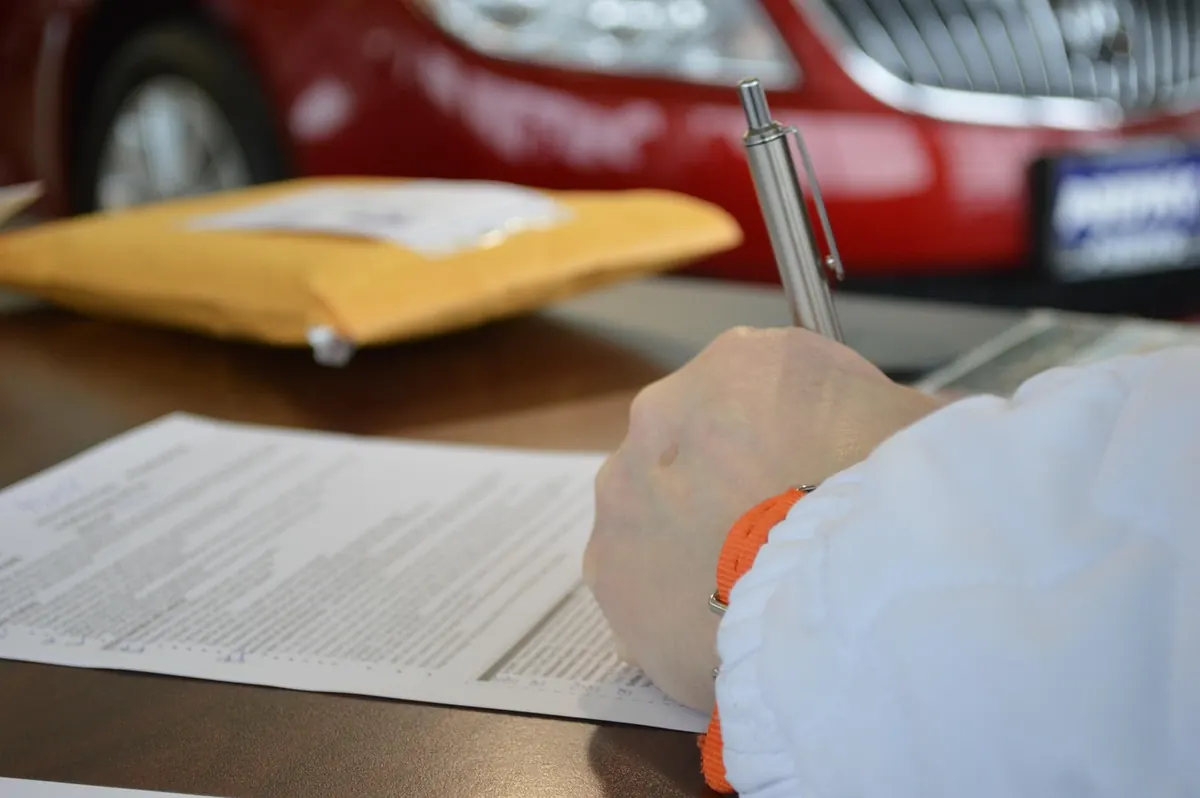
Gather documents before the portal opens so you are not hunting for a birth certificate at 11 p.m. on deadline night. Most registrations ask for some combination of the following:
- Proof of the child's age, such as a birth certificate or passport.
- Proof of residency, such as a utility bill or lease agreement.
- Emergency contacts — at least two, with working phone numbers.
- Your child's doctor's name and phone number, plus insurance details.
- Medical information: allergies, asthma, medications, previous injuries, anything a coach should know.
- Signed waivers, which often include a concussion acknowledgement, a photo release and a parent code of conduct.
Take a photo of the birth certificate and insurance card and keep them in a phone album labeled for this purpose. You will reuse them every season. Some programs also require a recent physical — if your child has a health condition such as asthma or a heart concern, talk with their doctor about what the coach needs to know before the first practice.
What Registration Costs — and How to Lower It
Fees vary widely by sport, age group and whether the league is recreational or competitive, so check the current schedule rather than relying on what you paid two years ago. Beyond the base fee, budget for the extras: a uniform or jersey, cleats or shoes, shin guards, a glove, goggles, and possibly a team fundraiser.
Ask about discounts directly. Many programs offer sibling rates, early-bird pricing, multi-sport reductions, or a payment plan spread across a couple of months. Some will reduce or waive fees for families who need it, and volunteering as a coach or team parent can offset part of the cost in certain leagues. If money is tight, call the rec office and ask what is available. These funds exist precisely for that conversation, and asking is routine.
Pay through the official registration system, and keep the receipt. If someone asks you to hand cash to a coach for league fees, confirm with the organization first.
Filling Out the Form: A Step-by-Step Walkthrough
- Create or verify your account in the registration portal. Use an email address you actually check, and add a second guardian if the system allows it.
- Enter your child's legal name and date of birth exactly as they appear on the birth certificate. Nicknames cause headaches later.
- Select the division, then read the practice and game schedule before you finalize. A Tuesday-and-Thursday commitment looks different in June than it did in February.
- Upload the required documents and fill in every medical and emergency field. Leave nothing blank; write "none" instead.
- Note who is authorized to pick your child up. If a grandparent or sitter will collect them, list that person now.
- Check for a waitlist option on a second-choice program and use it if your first pick is full.
- Pay, then save the confirmation email and screenshot the receipt with the order number.
- Add the season dates to the family calendar, and check your spam folder over the next week for a message from the coach.
First Practice Day: What to Expect
Arrive fifteen minutes early. There is usually a check-in table, a clipboard, and a coach trying to learn thirty names at once. Parents generally stay for the first session, and it helps to introduce yourself and confirm one thing: how the coach communicates. Email, a team app or a group text — find out, because that is where weather cancellations and schedule changes will appear.
Send your child with a labeled water bottle, sunscreen, and the right footwear. Cleats for soccer and baseball, gym shoes for basketball clinics. Bring a glove if they have one and are playing baseball or softball; leagues often have spares, but not always in the right size. Expect more standing around than you would like. First practices are for evaluations, jersey distribution and basic drills, not highlight reels.
Before you leave, ask the coach two questions: who to contact about absences, and how pickup works if you are running late. Then let your child get on with it.
What to Do This Week
Three tasks, in order. Find out when registration opens for the sport your child wants, and set a phone reminder for that morning. Collect the documents in one folder on your phone. Then make one call to the rec office with any question you still have — age cutoffs, scholarship funds, waitlists, whatever is nagging at you.
Do those and you will spend the summer watching a kid run around a field instead of chasing paperwork. That trade is worth making.
Photo: bottomlayercz0 / Pixabay