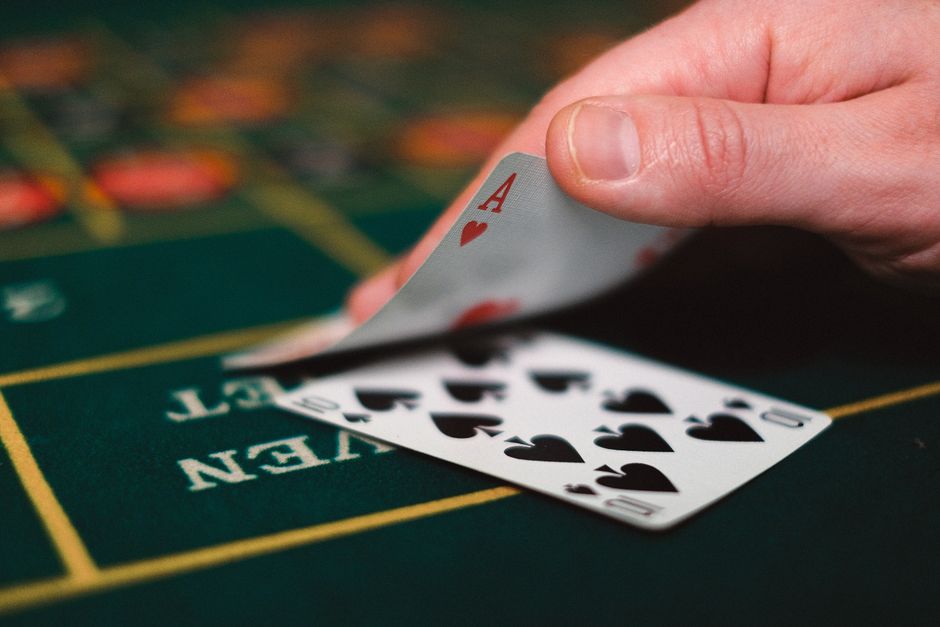
Most people who gamble never stop to ask what actually happens to their money after they press spin. They trust the flashing lights, the smooth animations and the occasional cashout, and they assume the game is fair because a regulator somewhere stamped a logo on it. That assumption is half right. The games are regulated, but regulation does not mean you win more. It means the house edge is disclosed, the random number generators are audited, and the casino cannot simply flip a switch when you're on a hot streak. Understanding that distinction is the difference between a fun night out and a slow, confusing bleed.
Let's pull back the curtain on the three biggest verticals in iGaming: slots, poker and sports betting. They are not the same animal, and treating them the same is how players end up frustrated.
Slots: The House Edge Is Baked In, Not Hidden
A modern video slot is not a physical machine with reels that stop where they stop. It is a piece of software running a random number generator that produces a result the instant you hit the button. The spinning animation is theater. The outcome is already decided before the first reel moves.
What matters is the RTP, or return to player percentage. A slot with 96% RTP returns, on average, 96 cents for every dollar wagered over millions of spins. The casino keeps 4%. That sounds small until you realize it applies to volume, not to your session. If you spin $1,000 through a 96% RTP slot, your expected loss is $40, but variance means your actual result could be anywhere from a jackpot to a complete wipeout.
Here is the part most players ignore:
- High volatility slots (think Money Train or Book of Dead) pay rarely but can pay huge. Your bankroll needs to survive long dry spells.
- Low volatility slots (think Starburst or Blood Suckers) pay small amounts frequently. Better for grinding, worse for dreaming.
- RTP is not a guarantee. It is a long-term average. In a single session, a 96% slot can behave like a 40% slot or a 400% slot.
A concrete tip: if you want to stretch a $100 bankroll for an evening, pick a low-volatility slot with at least 96% RTP and bet no more than 1% of your bankroll per spin. If you want a shot at a big multiplier, accept that you will probably lose the whole $100 and treat it as entertainment spend, not an investment. Anyone weighing up options should see pgslot.
Poker: The Only Major Game Where You Can Beat the House
Poker is fundamentally different from slots because you are not playing against the casino. You are playing against other players. The casino takes a rake, a small percentage of each pot, and then steps out of the way. That means a skilled player can win consistently over time, which is impossible in slots or roulette.
But "skilled" is doing a lot of work in that sentence. The modern online poker ecosystem is brutally efficient. Recreational players are fewer, solvers have made theoretical play public, and the average opponent at $1/$2 no-limit hold'em knows what a continuation bet is. If you are new, here is a realistic path:
- Start at micro stakes. $0.01/$0.02 or play-money tables. You will lose less while you learn.
- Pick one format. Cash games, sit-and-gos, or multi-table tournaments. Each requires different skills. Spreading yourself thin slows progress.
- Track every session. Use a tracker or a simple spreadsheet. If you do not know your win rate in big blinds per 100 hands, you are guessing.
- Study more than you play. For every hour at the table, spend an hour reviewing hands, watching training videos or running spots through an equity calculator.
The rake is the silent killer. At low stakes, a 5% rake capped at $3 can eat 10 to 15 big blinds per 100 hands. That is a massive hurdle. Many aspiring pros never clear it, and that is fine. Poker can be a profitable hobby without being a career, as long as you are honest about the rake and your own edge.
Sports Betting: Information, Not Intuition, Pays
Sports betting feels like the most skill-based vertical because you can watch the games, read the injury reports, and feel like you know something the market does not. Usually, you do not. The closing line in a major market like the NFL or the Premier League is one of the most efficient prices in all of gambling. Beating it consistently requires either better information, better modeling, or access to soft lines before they move.
Where do recreational bettors actually find value?
- Line shopping. The difference between -110 and -105 on the same bet is worth thousands of dollars over a year. Always have at least three sportsbooks open.
- Promotions and boosts. A 50% profit boost on a coin-flip bet turns a negative-EV wager into a positive one. These are the closest thing to free money in sports betting.
- Niche markets. Player props, lower-division soccer, and women's sports are often priced less efficiently than the NFL main lines.
- Closing line value. If you consistently bet numbers better than the closing line, you are likely a long-term winner, even if your short-term results are ugly.
What does not work: parlay lottery tickets, chasing losses on Sunday night, and betting with your heart. The sportsbook loves a homer.
Bonuses, Wagering and the Fine Print That Bites
Every iGaming site throws bonuses at you because they work. A 100% deposit match up to $500 sounds generous until you read the wagering requirement: 40x the bonus amount, slots contribute 100%, table games contribute 10%, and the maximum bet while clearing is $5. Suddenly that $500 bonus requires $20,000 in slot wagering before you can withdraw a cent, and if you bust in the process, you get nothing.
Bonuses are not scams, but they are contracts. Read three things before accepting any offer:
- Wagering requirement (the multiplier and what counts toward it).
- Game weighting (slots usually 100%, blackjack often 10% or excluded).
- Time limit (often 7 to 30 days, which is shorter than it sounds).
If the math does not work in your favor, skip the bonus. Playing with your own cash, no strings attached, is often the better deal.
The One Habit That Separates Smart Players from Everyone Else
Set a loss limit before you log in, not after. Decide what you are willing to lose that month, put it in a separate account or e-wallet, and when it is gone, you stop. This is not about discipline in the moralizing sense. It is about protecting the thing that makes gambling fun: the ability to walk away and come back another day. The players who last are not the ones with the best systems. They are the ones who never bet money they needed for something else. Everything else, the RTP charts, the solvers, the line shopping, is just technique layered on top of that single rule.